

No. In 2026 the government consulted on updated efficiency standards for electric local space heaters, including electric underfloor heating. The proposals would only apply to new products sold once the rules come into force, expected from 2027, and would require higher minimum efficiency, built-in temperature controls and low-power standby modes. Underfloor heating that’s already installed isn’t affected, and water underfloor heating connected to a boiler or heat pump isn’t covered by these rules.

Heating
Underfloor Heating
Water and electric underfloor heating for new builds, extensions and existing homes. Find the right system for your floor, then let our team design the layout for you.

Free Bespoke Underfloor Heating Design

Water and electric systems
Whole-home water systems and single-room electric kits.
New build and retrofit
Systems for new screeds and for existing floors.
Free bespoke design
Tell us about your project and we’ll design the layout.
Heat pump ready
Water systems work with low-temperature heat sources.Water or electric?
Water underfloor heating runs from your boiler or heat pump and suits whole floors. Electric runs from mains electricity and suits single rooms.
-
 Water
Water underfloor heating
Warm water from your boiler or heat pump flows through pipes under the floor. Our Oceanfloor systems cover new screeds and existing floors.
- Best for
- Whole floors, new builds and extensions
- Runs from
- Boiler or heat pump
- Systems
- Pipe in screed and low-profile panels
-
 Electric
 underfloor heating
A heating film or mat under the floor, powered by mains electricity and controlled by a smart thermostat. Quick to install, with no pipework.
- Best for
- Single rooms, bathrooms and kitchens
- Runs from
- Mains electricity
- Systems
- Retrofit film and in-screed mats
Find the right system for your floor
Start with your project, then pick the column that matches how you’ll heat your home.
| Your project | Water | Electric |
|---|---|---|
| New build or new screed | Pipe in Screed or New Build Flexi-Fit | Core, embedded in the screed |
| Over an existing solid floor | Low Profile Flexi-Fit under as little as 20mm of screed, or Routed Low Profile | Flux, under a floating floor |
| Over floorboards or limited headroom | Routed Low Profile (18mm panels) or Routed Low Profile Light (20mm panels) | Flux, about 4–11mm under the floor finish |
| Bathroom | Any water system connected to your heating | Core only: the retrofit film isn’t suitable for wet rooms |
| Whole house with a heat pump | Pipe in Screed or a low-profile panel system, designed for low-temperature heat sources | Not recommended: electric suits single rooms |
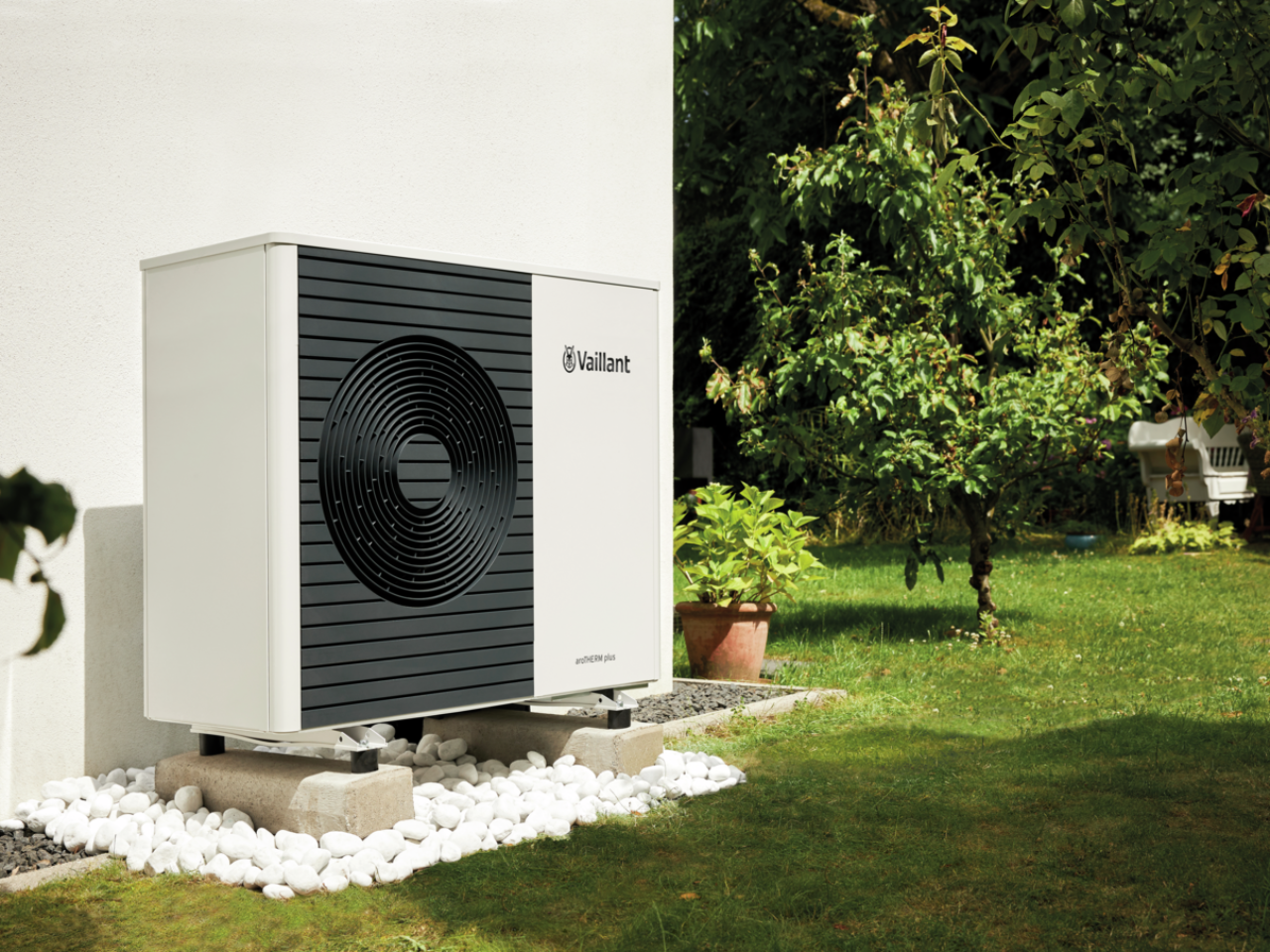
Heat pumps
Pair it with a heat pump
Underfloor heating spreads warmth across the whole floor, so it can heat a room with lower water temperatures than radiators need. That suits heat pumps, which run most efficiently at low flow temperatures.
Oceanfloor systems are designed to work with low-temperature heat sources, including air source heat pumps, as well as gas boilers.
Electric underfloor heating FAQs
Is underfloor heating being banned in the UK?
Is underfloor heating cheaper than radiators?
Water underfloor heating spreads warmth across the whole floor, so it can heat a room using lower water temperatures than radiators need. That helps boilers, and especially heat pumps, run more efficiently in well-insulated homes. Electric underfloor heating costs about the same per unit of heat as other electric heaters, so it’s best suited to single rooms rather than heating a whole home.
Is underfloor heating gas or electric?
It can be either. Water underfloor heating circulates warm water through pipes under the floor, heated by your gas boiler or heat pump. Electric underfloor heating uses a thin heating film or mat under the floor, powered by mains electricity and controlled by its own thermostat.
Can underfloor heating be installed in an older home?
Yes. Low-profile water systems and electric retrofit film are designed to go over existing floors with minimal build-up, so in most cases you don’t need to dig up the floor. They can be laid over solid floors, and some systems can also go over floorboards.
How much will underfloor heating raise my floor?
It depends on the system. Routed low-profile water panels are 18mm deep, finished with a thin layer of levelling compound. The Low Profile Flexi-Fit system can be covered with as little as 20mm of screed. Electric retrofit film adds about 4–11mm under the floor finish. Pipe in screed systems and in-screed electric mats are built into new floors, so they don’t add to an existing floor height.
Which floor finishes can I use with underfloor heating?
Most systems work under tiles, natural stone, laminate, LVT and engineered wood, and carpet can work with a low-tog underlay in a well-insulated home. Always check the system’s page and your flooring manufacturer’s maximum temperature, as some finishes have limits.
How quickly does underfloor heating warm up?
Screed systems warm up more slowly because the screed absorbs and stores heat, so they’re usually run on a schedule rather than switched on and off. Low-profile panels and electric film sit closer to the floor surface and respond faster.
Can you design my underfloor heating system?
Yes. Tell us about your project, including the room sizes, floor type and how you heat your home, and our team will design a free, bespoke underfloor heating layout and specify the system for you.
Support
Tailored support at every stage of your project
From initial consultation to final installation, Oceanair offer bespoke support to ensure your heating and cooling project is a success, every time.